Habitat and Distribution – Fur Beetle (Attagenus pellio)

Biology – Fur Beetle (Attagenus pellio)
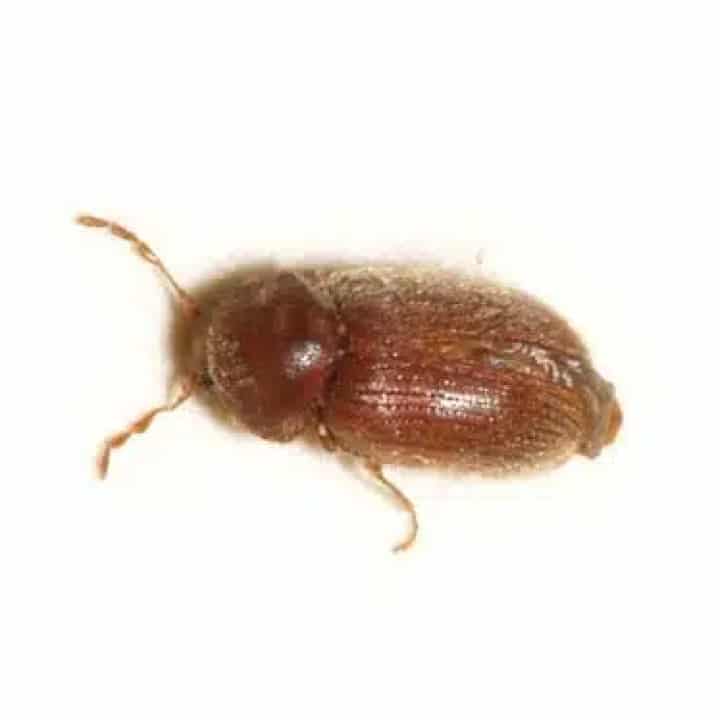
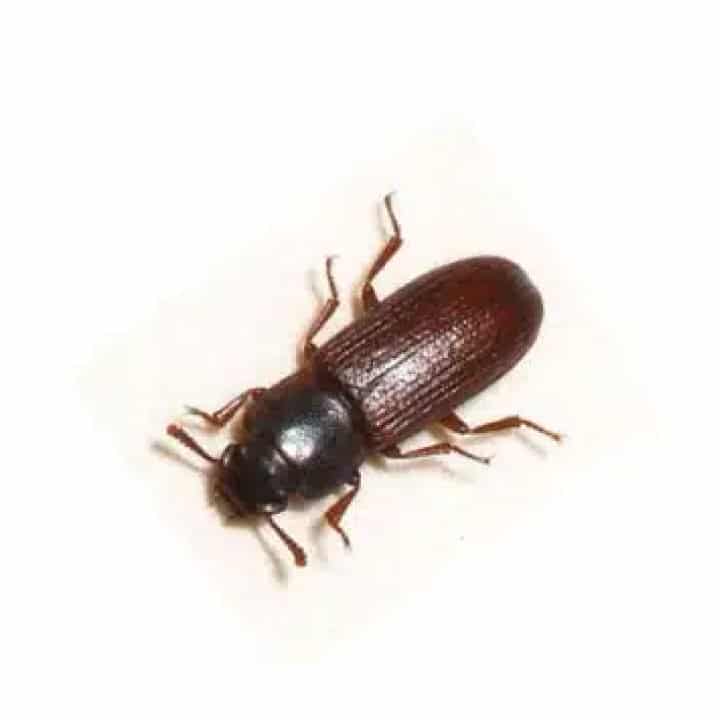
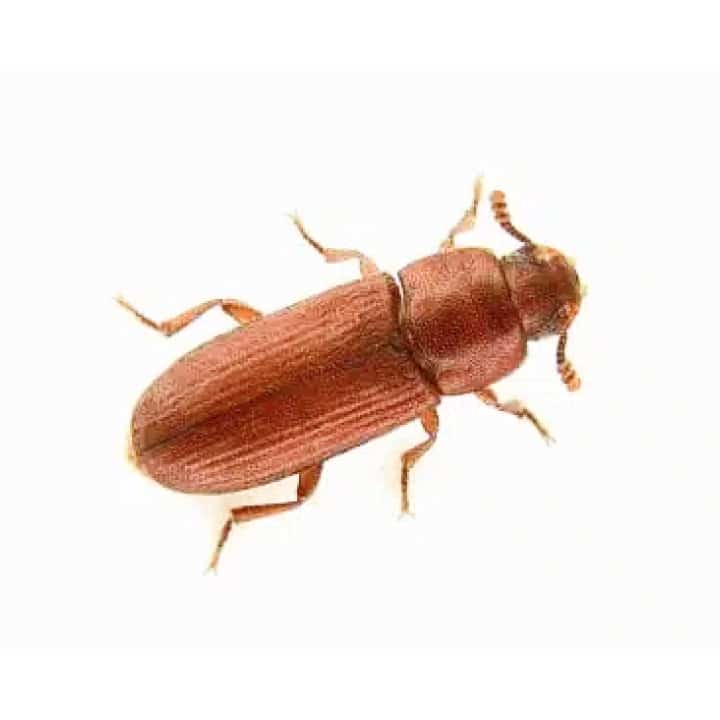
The Fur Beetle follows a complete metamorphosis life cycle consisting of egg, larva, pupa, and adult stages. Females lay up to 100 eggs, placing them singly on or near food sources such as animal fibres, birds’ nests, or carpets. The larvae, which can grow up to 12 mm long, are brown with a banded appearance and possess a distinctive “tail” of hairs. They are the damaging stage of the beetle and undergo around six moults, typically developing over a period of up to six months. Pupation occurs within the last larval skin, directly on the food material, and takes approximately 1 to 3 weeks. Adult beetles are about 5 mm long, black in colour, and easily identified by two white spots on the wing cases (elytra). They are capable of flight and feed on pollen, but do not damage materials.
Why They’re a Problem – Fur Beetle (Attagenus pellio)
Fur Beetle larvae are destructive scavengers of organic fibres. They feed on natural textiles such as wool, fur, silk, and feathers, as well as preserved animal specimens. This makes them a significant threat in museum collections and domestic settings containing natural materials. While the adult beetles do not cause any direct harm, the presence of larvae indicates potential damage to fabrics or stored organic items.
Control and Prevention – Fur Beetle (Attagenus pellio)
Effective control of Fur Beetles focuses on removing larval food sources and preventing access to breeding sites:
- Remove old birds’ nests from lofts, eaves, and attics, especially during cleaning or renovation work.
- Use residual insecticide dusts and sprays in infested areas, particularly on carpets and fabrics. Always test a small area first and use products that won’t damage delicate materials.
- Improve cleanliness in infrequently accessed areas such as under furniture, in storage boxes, or behind skirting boards.
Prompt removal of infested materials and thorough sanitation are often enough to manage minor infestations. In more sensitive environments like museums, professional pest control may be required.
Professional Support – Fur Beetle (Attagenus pellio)
If you’re seeing signs of Fur Beetle activity or finding larvae in fabrics or storage areas, Pest Solutions can help. We offer specialist support for domestic, commercial, and museum environments.