


Bird Control Services in Wimbledon
We implement an extensive range of bird control methods to keep away and exclude pest birds from residential and commercial buildings. The best combination works most effectively really depends upon the building, the species, and the scale of the problem, and our pest control technicians will always survey the site before proposing a single thing!

Bird spikes and bird wire
Bird spikes and bird wire are two of the most widely used systems for deterring birds from perching on ledges, window sills, parapet walls and roof ridges. Standard stainless steel spikes are designed to protect flat ledge surfaces, stopping birds from roosting without doing them any harm.

Avian wire systems operate through a network of steel spring coils and wires that are taut between pillars or anchor points along ledges and structural surfaces. This arrangement produces an unstable landing zone that birds instinctively steer clear of. Once correctly positioned, both systems are highly hard-wearing to harsh weather conditions and require no regular maintenance thereafter.
Bird netting in Wimbledon
Bird netting serves as a highly effective exclusion method, sealing off expansive areas such as roof voids, loading bays, the underside of canopies and bridges, and open courtyards. When specified correctly, it prevents birds from nesting and roosting within a given space altogether.

Pigeon netting and gull grade netting are made with different mesh sizes that are specifically designed to target each species. Our pest control technicians determine the correct mesh gauge, fixing system and support structure for each individual site, because netting installed with the wrong gauge will allow birds access through the gaps almost immediately!
Falconry and birds of prey
The use of specially trained hawks and other birds of prey in falconry services helps to scatter pest birds from a given location. Once a bird of prey is introduced to the area, it naturally interrupts any established roosting behaviour, encouraging pest birds in urban settings to abandon the site entirely.
Scheduled falconry visits utilising hawks as a non-lethal bird deterrent tend to be particularly effective across spacious open environments, including parking facilities, stadiums, retail parks, and large rooftops. Such visits are closely scheduled during and beyond the breeding season, with the programme continuing until the site has been fully vacated as a roosting location.
Solar panel bird proofing
Solar panels are a frequently seen source of pigeon trouble across Wimbledon! The gap between the panels and the roof tiles provides shelter and heat throughout the entire year, and birds nesting beneath them deposit guano that causes water damage, obstructs gutters and drains, and slowly degrades roofing materials over time.

Solar panel bird proofing involves adding mesh and clip systems around the panel perimeter to seal the gap. The clip system secures around the panel frame without penetrating the panels or compromising their output, and the mesh installation prevents birds from nesting beneath the panels whilst stopping the problem from recurring each season.
Pest Bird Species in Wimbledon
Feral pigeons and gulls are responsible for the majority of bird pest call outs across Wimbledon, though starlings, sparrows and numerous other species are equally capable of causing fouling, noise and structural damage to properties throughout the area. Pigeons? They can be guarded against right away! Gulls are a separate issue altogether though, as they are protected by law, meaning the approach taken will vary depending on whether or not nesting is already underway.
Feral pigeons in Wimbledon
Feral pigeons are by far the commonest pest bird encountered across Wimbledon. They gather and breed on sills, escape stairs, rooftops, and bridges throughout the area, producing enormous volumes of bird droppings that create a real public health and safety concern, as well as substantial maintenance costs for property managers.

Bird guano produced by feral pigeons is highly acidic and actively speeds up corrosion on both metal surfaces and stonework. The droppings themselves can harbour salmonella and a range of other dangerous pathogens, and RSPH guidance firmly identifies bird waste as a serious public health risk for any commercial premises where birds are roosting or moving above food storage or preparation areas.
Gulls and seagulls in Wimbledon
Seagulls have been building nests on Wimbledon premises for several decades and have, for the most part, lost their natural caution around people outside of the breeding season. Once eggs have been laid, regular access to the roof must stop, outdoor spaces situated directly beneath the nest become awkward to use, and the dive-bombing behaviour along with persistent calling grows steadily intense until the chicks leave the nest towards the end of summer.
Pigeon birds and gulls commonly occupy the same rooftops, yet controlling gull populations presents a much bigger challenge. Gulls are larger and longer living birds that repeatedly return to the exact same nesting sites each year, and they enjoy full legal protection under the Wildlife and Countryside Act 1981.
Our team works within the legal framework for handling protected species, advising on prompt actions and licence applications supported by documented public health or safety grounds. Removing a gull nest or eggs without a licence is not legally permitted.
Bird Proofing for Wimbledon Properties
Defending a Wimbledon property from pest birds depends entirely on selecting the best-fitting solution for the specific building in question. Although bird spikes perform reliably on narrow ledges, they are less effective across wider surfaces where gaps remain, and netting that has been incorrectly specified for either the bird species or the structural context will create access points almost immediately.
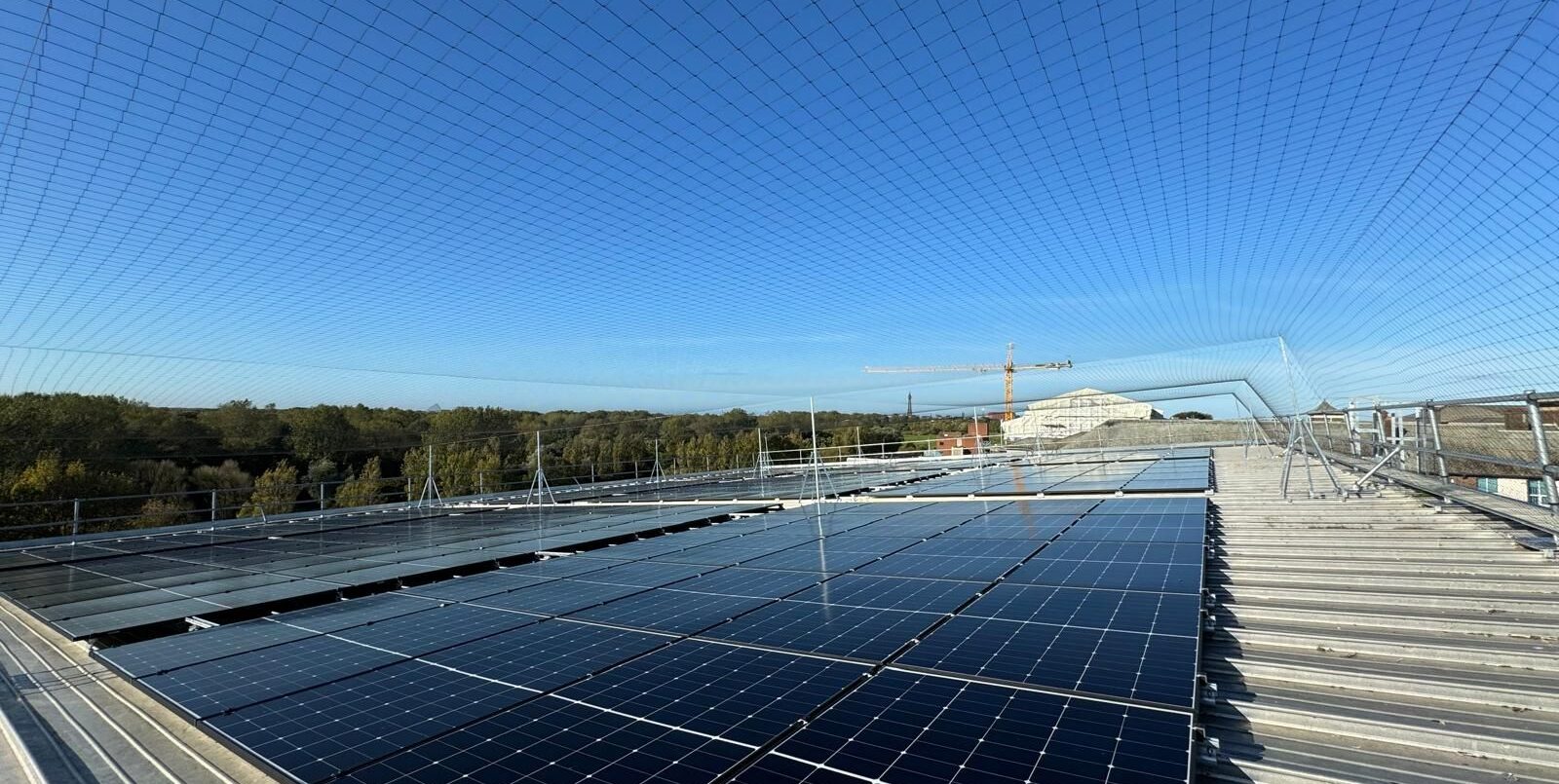
Our pest control technicians perform a thorough site assessment prior to proposing a solution. The survey includes the entire building rather than just the most visible roosting areas, as birds will shift to neighbouring surfaces once the most appealing ones have been treated.
Our bird control methods work through blocking access and repelling, halting birds from roosting on roof spaces and ledges. We guide clients on the best-suited solution for the species involved, bearing in mind all relevant legal protections, and every measure we carry out is both effective and humane.
Humane bird control places physical exclusion at the centre of its technique, with pigeon-proofing and deterrence successfully dealing with the vast majority of residential and commercial projects without ever needing licensed lethal intervention.
We provide pest management contracts for Wimbledon properties covering scheduled inspections, compliance reports for environmental health purposes, and rapid response between visits should fresh bird activity be identified.
