


Bird Control Services in Kent
We employ a selection of bird deterrent methods to prevent and remove pest birds from both residential and commercial properties. The most efficient combination will depend upon the building itself, the species involved, and the extent of the infestation, which is why our pest control technicians conduct a full site survey before offering any recommendations.

Bird spikes and bird wire
Bird spikes and bird wire rank amongst the most commonly used solutions for deterring birds from settling on ledges, window sills, parapet walls, and roof ridges. Standard stainless steel spikes are designed to cover flat ledge surfaces and prevent birds from roosting without causing them any harm.

Avian wire systems function through a network of steel springs and wires that are tensioned between pillars or anchor points along ledges and structural surfaces. This arrangement creates an unstable landing zone that birds instinctively steer clear of. Once correctly installed, both systems are highly resilient to harsh weather conditions and require no regular maintenance thereafter.
Bird netting in Kent
Bird netting encloses large areas including roof voids, loading bays, canopies, bridges and open courtyards. Correctly specified netting prevents birds from nesting, roosting and settling in a space entirely.

Pigeon netting and gull grade netting are produced with different mesh sizes in order to satisfy the specific requirements of each bird species. Our pest control technicians will determine the appropriate mesh gauge, fixing system and support structure for your individual site, as netting that has been installed with an incorrect gauge will let birds to pass through the gaps very quickly.
Falconry and birds of prey
Falconry services utilise trained hawks and other birds of prey to scare pest birds away from a given site. The visible presence of a predatory bird dismantles established roosting behaviours and relocates nuisance birds in urban settings away from the area fully.
Scheduled falconry visits are carried out during and beyond the breeding season, remaining in place right up until the site has been fully abandoned as a roost by the birds.
Employing hawks as a regular and humane bird deterrent can be most effective across open environments such as car parks, stadiums, retail parks and expansive rooftops, where the natural presence of a predator makes the greatest impression. Regular falconry visits are planned throughout and beyond the breeding season, remaining in place steadily until the site has been fully abandoned as a roost by the birds.
Solar panel bird proofing
Solar panels are a well known source of pigeon issues across Kent! The gap between the panels and the roof tiles provides protection and warmth throughout the entire year, and birds nesting beneath them leave guano that brings about water damage, clogs gutters and drains, and gradually degrades roofing materials over time.

Solar panel bird proofing installs mesh and clip systems to the perimeter of the panel perimeter to block the gap. The clip system fixes around the panel frame without penetrating the panels or affecting output, and the mesh prevents birds from nesting beneath panels whilst avoiding the problem from recurring each season.
Pest Bird Species in Kent
Feral pigeons and gulls are are behind the vast majority of bird pest enquiries logged all over Kent, though starlings, sparrows, and a variety of additional bird species also contribute to fouling, noise disturbance, and structural deterioration on properties throughout the area. Pigeons are a species against which proofing measures can be implemented immediately. Gulls, however, carry legal protection, and the appropriate course of action will vary considerably depending on whether nesting activity is already underway on the affected property.
Feral pigeons in Kent
Feral pigeons stand as one of the most prevalent pest bird found throughout Kent, nesting on ledges and sills, fire escapes, rooftops, and bridge structures right across the area, producing substantial quantities of bird droppings that pose a serious public health and safety concern whilst resulting in considerable ongoing maintenance costs for those responsible for looking after properties.

Wild pigeon guano is acidic and speeds up corrosion on metalwork and stonework. Faeces carry salmonella and additional pathogens. RSPH guidance recognises bird waste as a major public health risk at commercial premises where birds are active above food storage or preparation areas.
Gulls and seagulls in Kent
Gulls have been forming nesting colonies on Kent’s rooftops for a number of decades and have, over that time, got much more used to human presence outside of the breeding season. Once eggs have been laid, routine access to the roof becomes problematic, outdoor spaces situated directly beneath the nest become hard to occupy, and both the swooping behaviour and persistent calling become noticeably more intense until the chicks reach fledging age in late summer.
Pigeons and seagulls frequently favour the same rooftops, yet controlling gull populations presents a much more significant challenge. Gulls are more sizeable and longer living birds that faithfully return to matching nesting locations season after season, and they are afforded full legal protection under the Wildlife and Countryside Act 1981.
Knocking loose a gull nest or its eggs without holding the appropriate licence is against the law. We operates entirely within the legal boundaries governing pest management where protected species are concerned, offering clear guidance on which actions can be taken straight away and which will necessitate a formal licence application, founded upon evidenced evidence of public health or safety risk.
Bird Proofing for Kent Properties
Proofing a Kent property against pest birds requires selecting the correct method for the building. Bird spikes are effective on slim ledges but allow gaps on broader surfaces, and netting poorly specified for the species or structure gives birds immediate access through gaps.
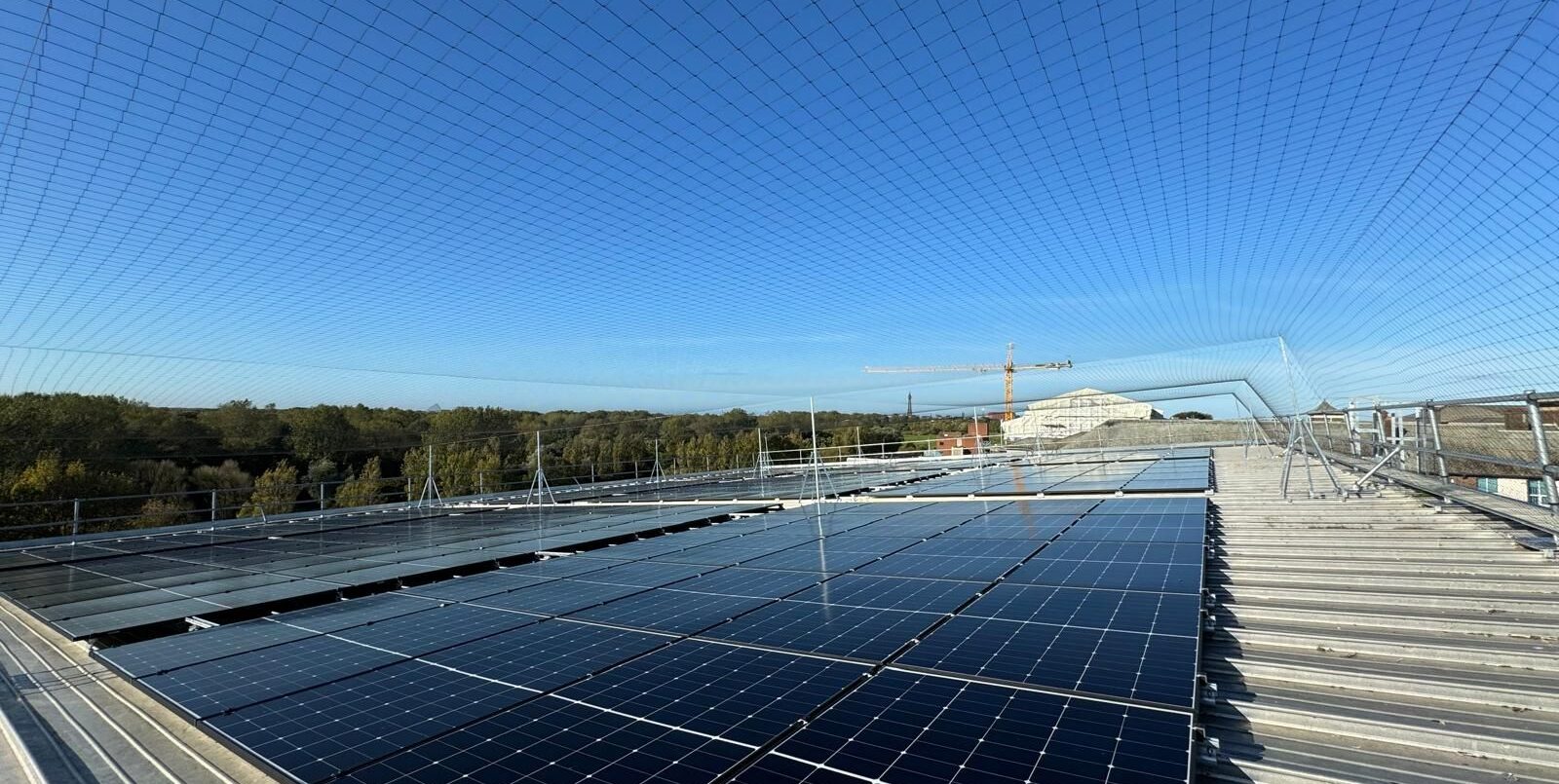
Our pest control technicians conduct a full site survey before advising on any system. The survey covers the entire building, not just the obvious roost points, because birds will relocate to nearby surfaces once the most attractive ones are treated.
Our bird control methods operate through preventing entry and repelling, halting birds from nesting on roofs and ledges. We guide clients on the most appropriate solution for the species involved, taking into account all relevant legal protections, and every measure we carry out is both effective and humane.
Humane bird control places emphasis on physical exclusion as its main method, with pigeon proofing and deterrence addressing the vast majority of residential and commercial requirements without any need for licensed lethal intervention.
We also provide pest management contracts for Kent properties that cover scheduled inspections, compliance documentation for environmental health purposes, and prompt response between visits should any fresh bird activity be identified.
